
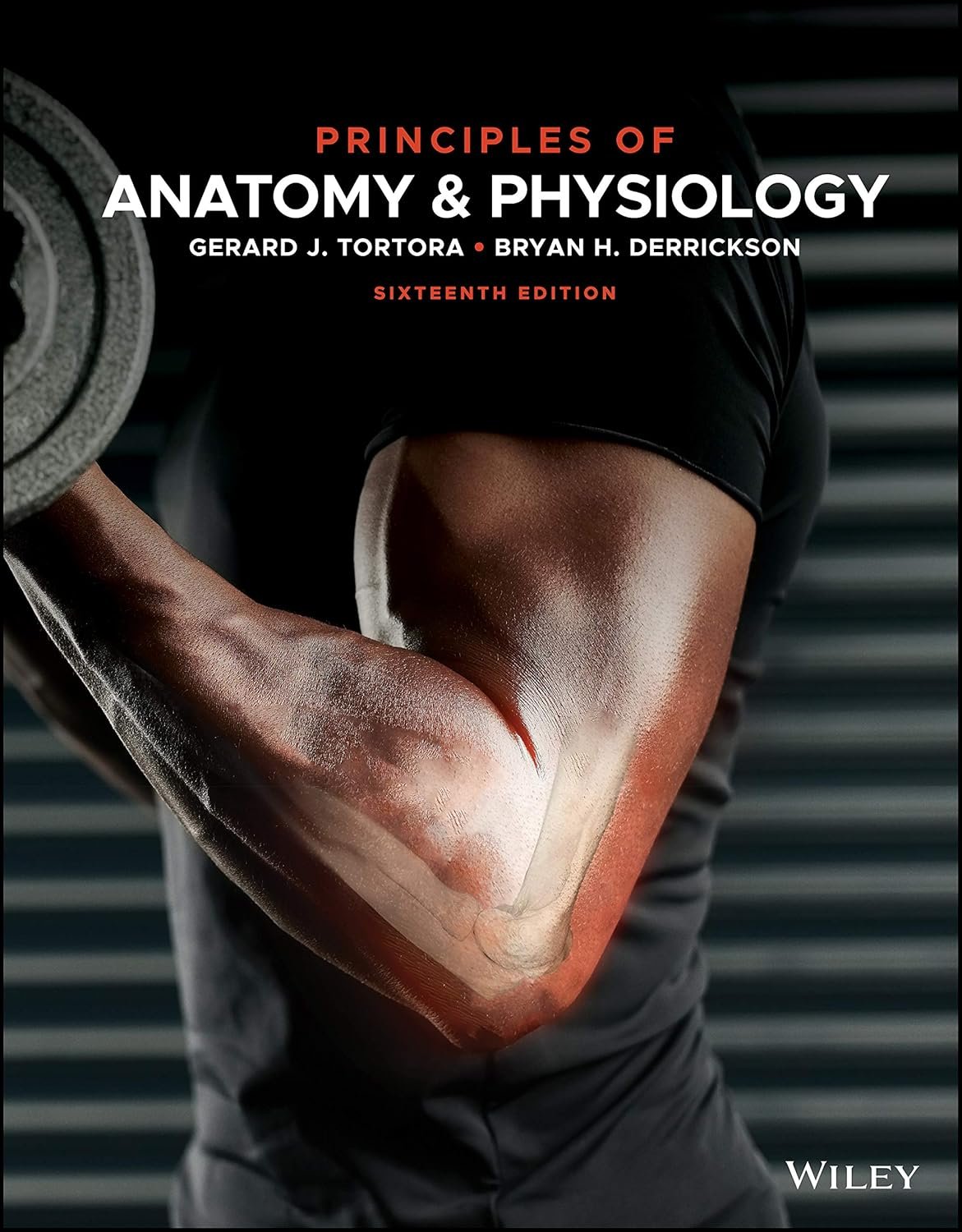
Principles of Anatomy and Physiology 16th Edition Test Bank
$18.00
Comprehensive test bank for Principles of Anatomy and Physiology 16th Edition, featuring chapter-aligned A&P practice questions with answer keys.

Description
The Principles of Anatomy and Physiology 16th Edition test bank is the ideal companion for students who want to master foundational anatomy & physiology concepts and strengthen their exam performance. Designed to complement the widely used Tortora & Derrickson text, this test bank provides extensive chapter-aligned practice that reinforces your understanding of body systems, structures, and physiological processes. The resource is especially valuable for A&P courses, nursing prerequisites, and health-science programs requiring strong biological science foundations.
What This Test Bank Includes
This comprehensive test bank provides structured practice across every major level of organisation—from chemical and cellular levels to tissues, organ systems, metabolism, reproduction, and development. Each chapter is represented with clinically relevant multiple-choice questions that support both memorization and application of A&P concepts.
- 29 full chapters covering all major anatomy and physiology units
- NCLEX-style and exam-style questions ideal for A&P course exams
- Questions reinforce musculoskeletal, nervous, endocrine, cardiovascular, respiratory, digestive, reproductive and other systems
- Includes core topics such as cellular physiology, tissues, metabolism, homeostasis, development, immunity, and fluid balance
- Answer keys included for efficient self-study and review
- Delivered instantly in a clean digital format for easy study on any device
Why This Test Bank Helps
This resource strengthens conceptual clarity and enhances exam readiness by providing repeated exposure to the types of questions students encounter in undergraduate A&P courses. With clear alignment to the textbook, the test bank supports mastery of learning objectives, active recall, and long-term retention—key elements of success in nursing, allied health, and medical preparation programs.
Table of Contents
- Chapter 01: An Introduction to the Human Body
- Chapter 02: The Chemical Level of Organization
- Chapter 03: The Cellular Level of Organization
- Chapter 04: The Tissue Level of Organization
- Chapter 05: The Integumentary System
- Chapter 06: The Skeletal System: Bone Tissue
- Chapter 07: The Skeletal System: The Axial Skeleton
- Chapter 08: The Skeletal System: The Appendicular Skeleton
- Chapter 09: Joints
- Chapter 10: Muscular Tissue
- Chapter 11: The Muscular System
- Chapter 12: Nervous Tissue
- Chapter 13: The Spinal Cord and Spinal Nerves
- Chapter 14: The Brain and Cranial Nerves
- Chapter 15: The Autonomic Nervous System
- Chapter 16: Sensory, Motor, and Integrative Systems
- Chapter 17: The Special Senses
- Chapter 18: The Endocrine System
- Chapter 19: The Cardiovascular System: The Blood
- Chapter 20: The Cardiovascular System: The Heart
- Chapter 21: The Cardiovascular System: Blood Vessels and Hemodynamics
- Chapter 22: The Lymphoid (Lymphatic) System and Immunity
- Chapter 23: The Respiratory System
- Chapter 24: The Digestive System
- Chapter 25: Metabolism and Nutrition
- Chapter 26: The Urinary System
- Chapter 27: Fluid, Electrolyte, and Acid–Base Homeostasis
- Chapter 28: The Genital (Reproductive) Systems
- Chapter 29: Development and Inheritance
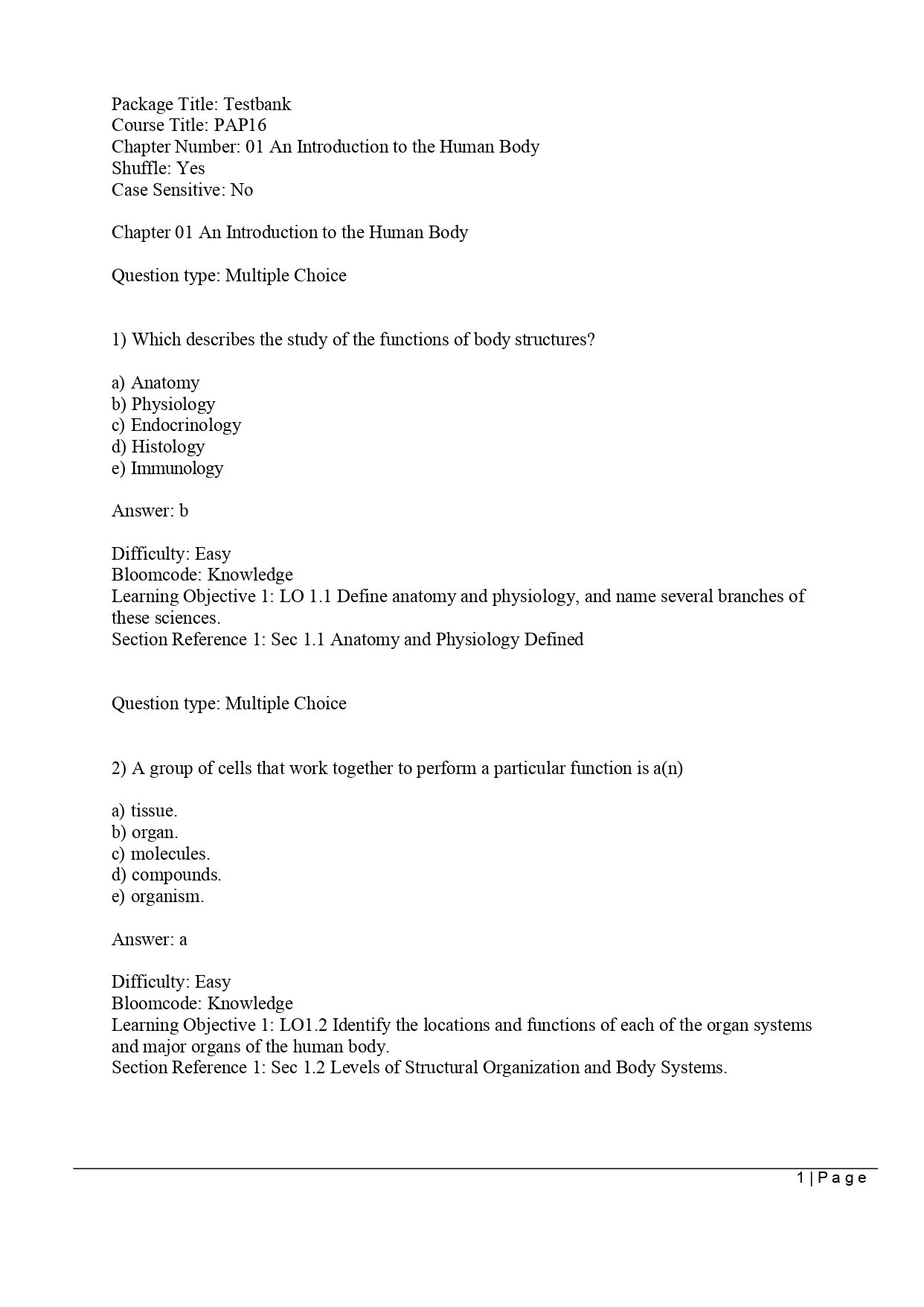
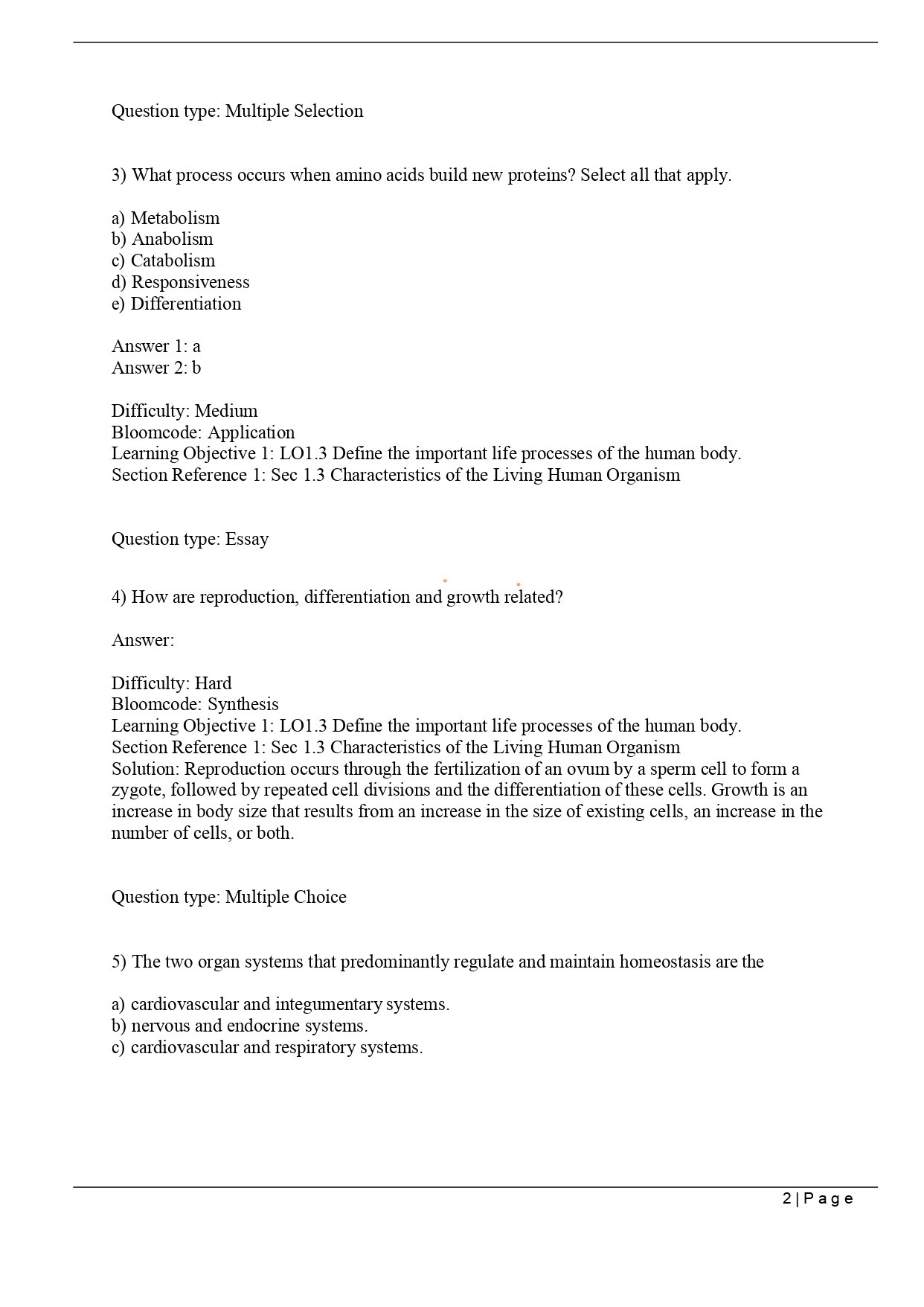
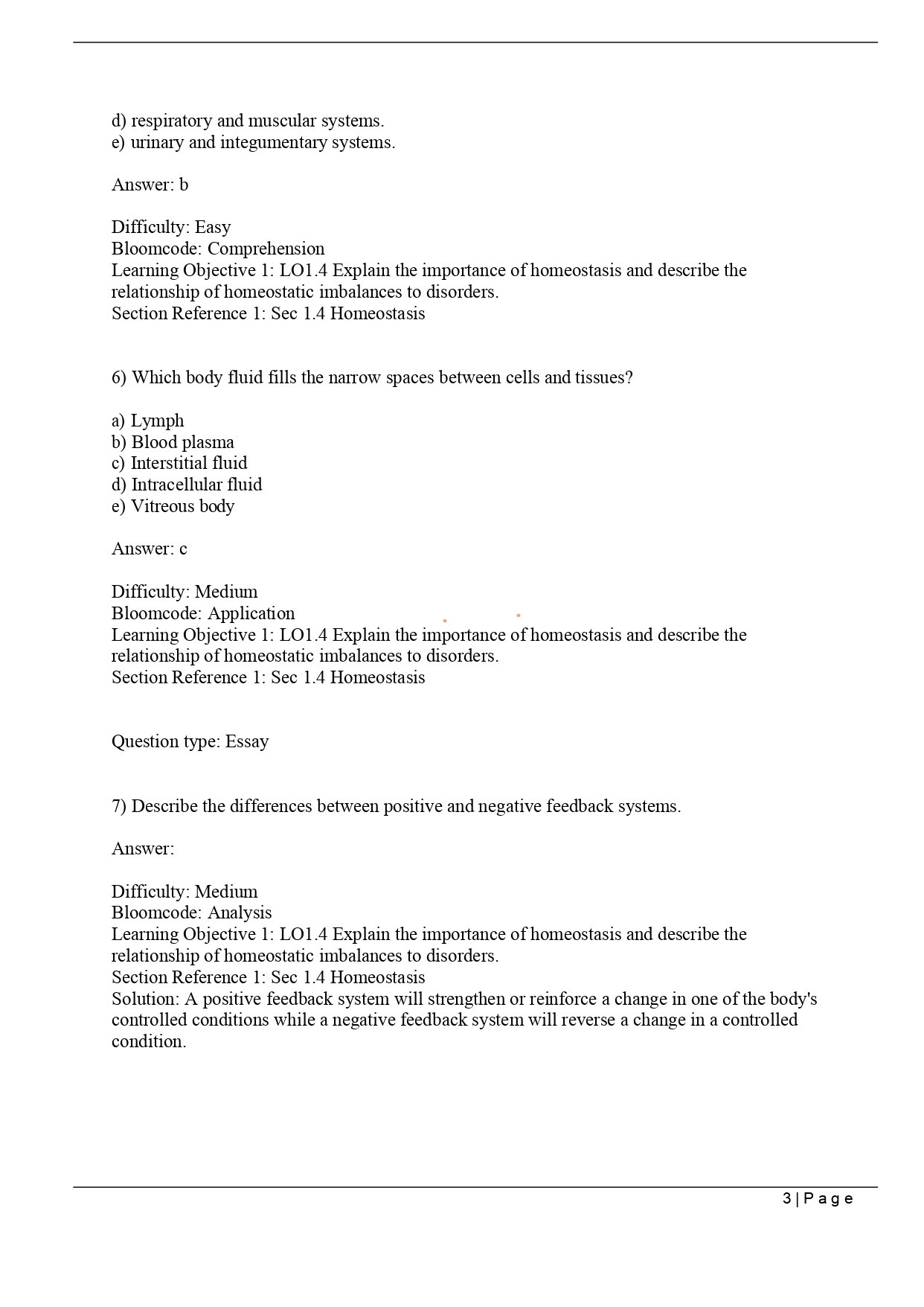
Sample Questions Included
Below are examples representing the structure and difficulty of the test bank questions:
- Question 1. Which of the following is NOT a major function of the blood?
- a) Transportation of nutrients
- b) Regulation of blood pH
- c) Protection against infectious disease
- d) Transportation of heat
- e) Production of oxygen
Correct Answer: e)
Rationale: Blood transports gases, nutrients, hormones, heat, and wastes, but oxygen is produced by cellular respiration, not by blood.
- Question 2. Which of the following is NOT a true statement regarding blood?
- a) The normal average temperature of blood is around 100.4°F.
- b) The normal pH range for blood is 7.35–7.45.
- c) Hemocytoblasts are a common component of circulating blood.
- d) The most numerous circulating blood cell is the RBC.
- e) Blood is a liquid connective tissue consisting of formed elements and plasma.
Correct Answer: c)
Rationale: Hemocytoblasts exist in red bone marrow, not in circulating blood. All other statements are correct.
- Question 3. The hematocrit is a measure of the percentage of whole blood occupied by:
- a) WBCs
- b) Platelets
- c) RBCs
- d) Plasma
- e) Plasma proteins
Correct Answer: c)
Rationale: Hematocrit represents the proportion of blood volume made up by red blood cells.
FAQ
Q1: Is this test bank helpful for Anatomy & Physiology I and II?
Yes. The test bank covers all foundational and advanced A&P systems, making it suitable for both A&P I and A&P II courses as well as other health-science programs.
Q2: How will I receive the test bank after purchase?
You will receive an instant digital download, giving you immediate access to all chapter-organized practice questions and answer keys.
Related Test Banks
- Anatomy and Physiology 11th Edition Test Bank
- Human Anatomy and Physiology 12th Edition Test Bank
- Understanding Anatomy and Physiology 4th Edition Test Bank
- Understanding Anatomy and Physiology 3rd Edition Test Bank
- Lehninger Principles of Biochemistry 8th Edition Test Bank
- Williams Basic Nutrition and Diet Therapy 16th Edition Test Bank
Boost Your A&P Exam Success
Master anatomy and physiology with confidence using this complete, chapter-aligned test bank. Download now to accelerate your exam preparation and strengthen your scientific foundation.
Related products
-

Community/Public Health Nursing: Promoting the Health of Populations, 8th Edition Test Bank
$18.00 Add to cart -

Test Bank for Huether & McCance’s Understanding Pathophysiology, 2nd Canadian Edition
$18.00 Add to cart -
Test Bank for Discovering the Life Span, 5th Edition by Robert S. Feldman
$18.00 Add to cart -
Test bank for Davis Advantage for Townsend’s Psychiatric Mental Health Nursing 11th Edition
$18.00 Add to cart


